
School Life
Annual Schedule
The official events at our school are generally as follows.
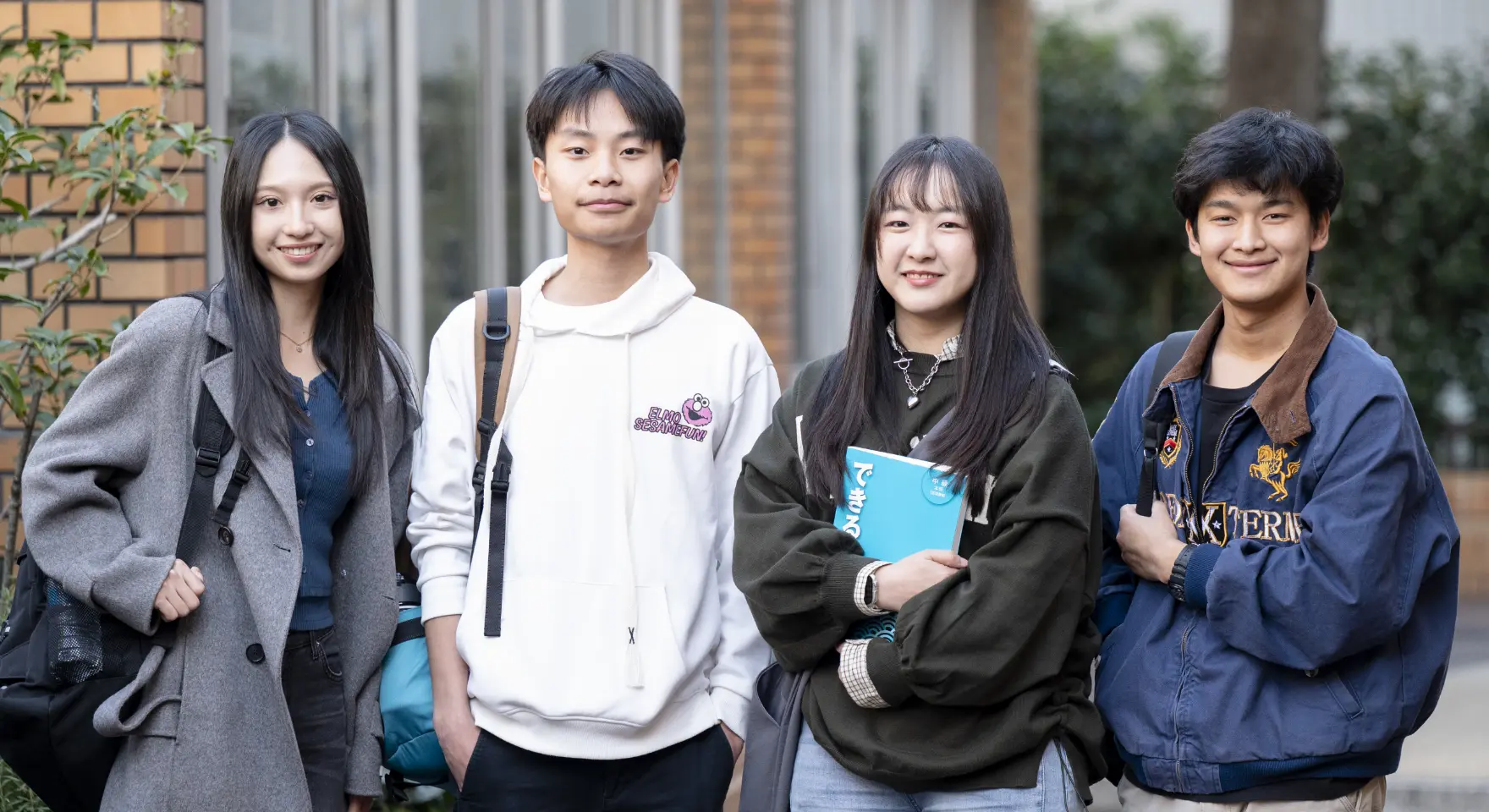
04
APR
- Spring Entrance Ceremony
- New Student Orientation
- Spring Semester Begins
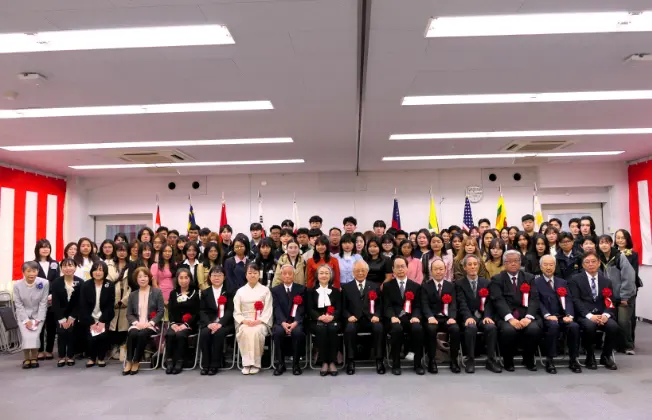
05
MAY
- Health Checkup for April Intake Students
- Freshman Field Trip
- EJU Preparation Classes Begin
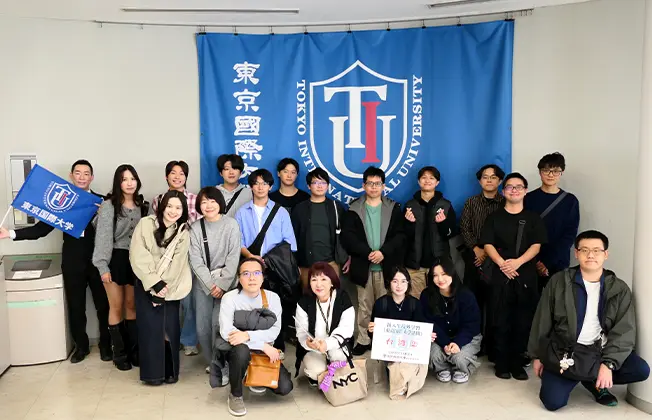
06
JUN
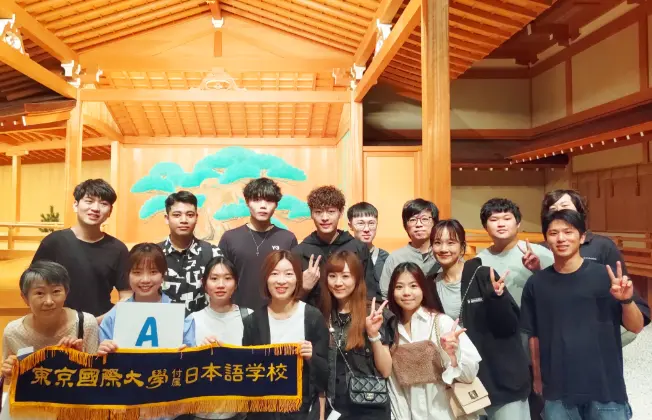
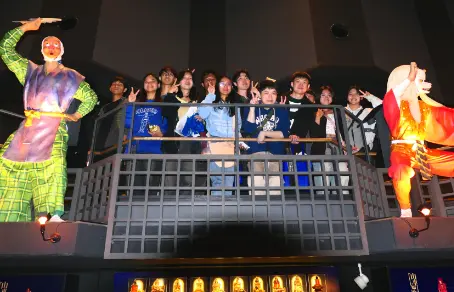
- Field Trip (Kabuki ・ Noh)
- June Test
- EJU (Examination for Japanese University Admission for International Students) Mock Test
-
1st EJU Exam
- Japanese Language Proficiency Test (JLPT) Mock Exam
- Class Replacement
07
JUL
- Summer Session Begins
- 1st JLPT Exam
- On-Campus Guidance Session (Academic・Career)
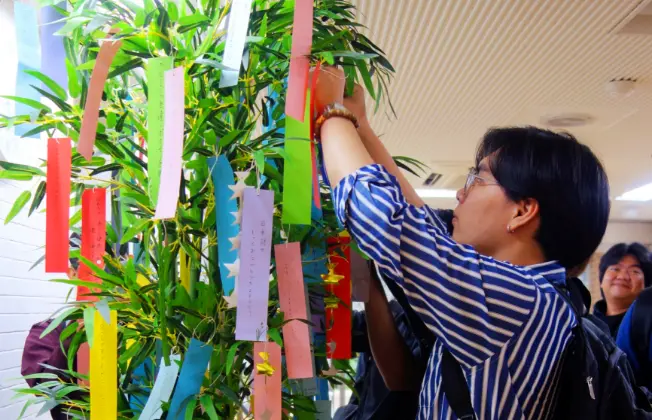
- Tanabata Bamboo Decoration
08
AUG
- Summer Break

09
SEP
- September Test
- Class Replacement
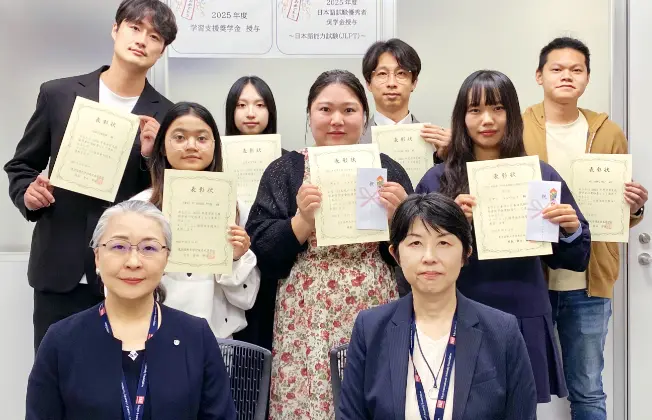
- Japanese Language Examination Excellence Scholarship Award Ceremony
10
OCT
- Fall Entrance Ceremony
- New Student Orientation
- Fall Semester Begins
- October Term Student Health Checkup
- Freshman Field Trip
- EJU (Examination for Japanese University Admission for International Students) Mock Test
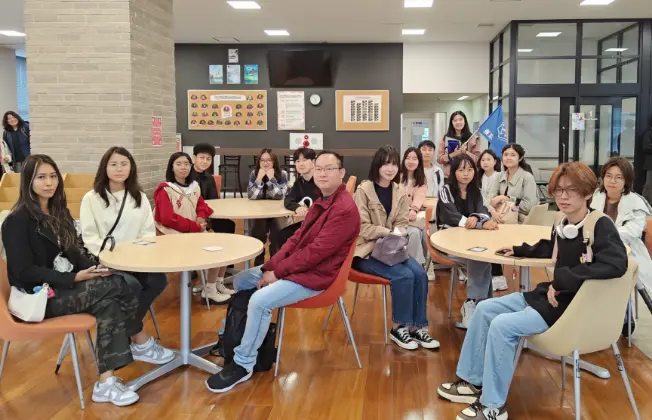
- Study Support Scholarship Award Ceremony
11
NOV
-
2nd EJU
- Japanese Language Proficiency Test (JLPT) Mock Exam
12
DEC
- 2nd JLPT
- December Test
- Class Replacement

01
JAN
- Winter Semester Begins
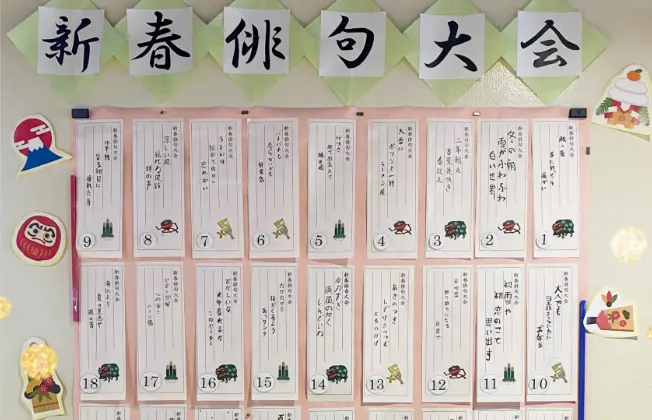
- New Year Haiku Contest
- Production of a Graduation Yearbook
02
FEB
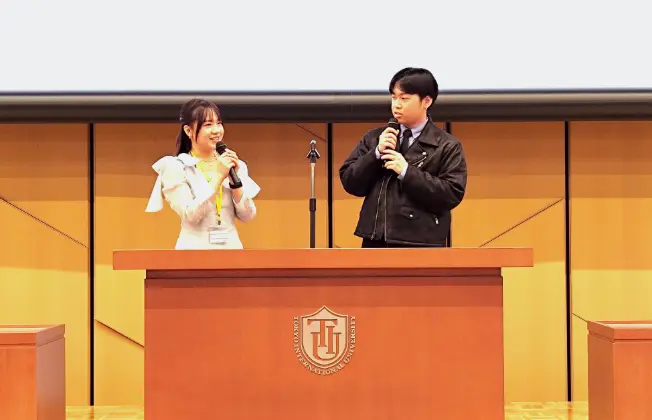
- Speech Contest
- Japanese Language Examination Excellence Scholarship Award Ceremony
- Kasumi-kai scholarship (Tokyo International University Alumni Association) Award Ceremony
03
March
- Graduation Exam
- Graduation Test Result Announcement
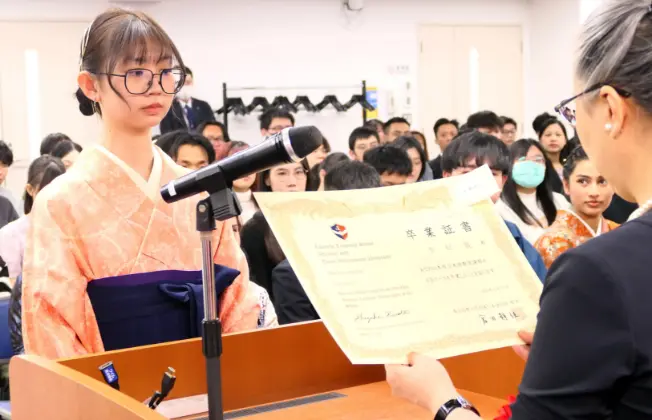
- Graduation Ceremony
- March Test (Current Students Only)
- Current Student Class Replacement
Events
Discover Japan and Enjoy with Friends
Japanese Language School Affiliated with Tokyo International University organizes various activities throughout the year to help students gain a deeper understanding of Japan through hands-on experiences with Japanese culture. These activities are popular not only as opportunities to learn about Japanese culture, but also as an enjoyable break from academic studies.
Spring Semester (April–June)
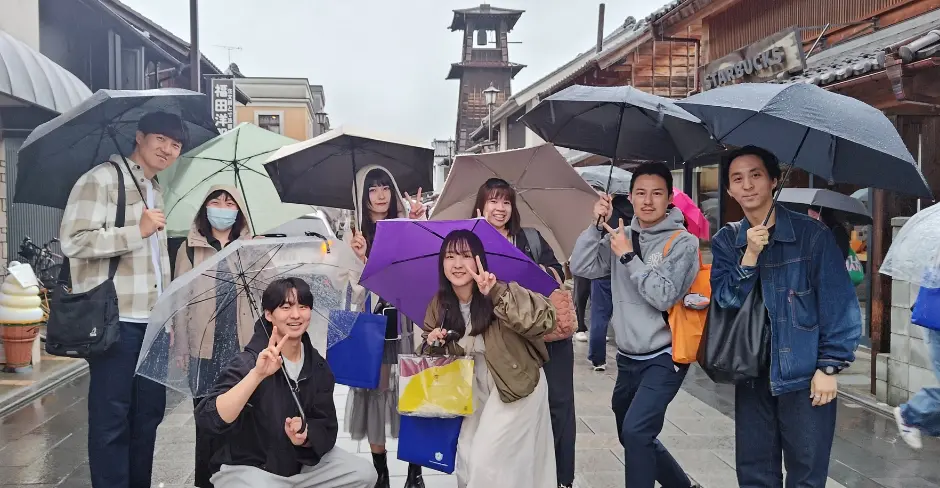
- Field Trip (Kawagoe)
- Extracurricular Club Activities & Club Experience
- Club Activities Begin for the First Semester
Summer Semester (July–September)
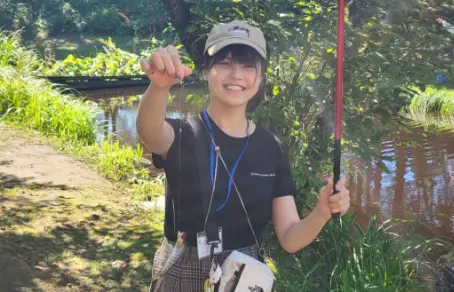
- Hokkaido Homestay


Fall Semester (October–December)
- Field Trip (Kawagoe)
-
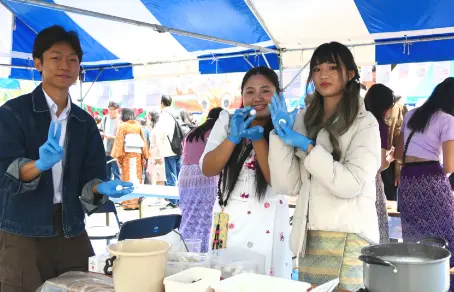
Participation in Tokyo International University Campus Festival
- Participation in Japanese Speech Contest for International Students (Tokyo International University Campus Festival)
- Extracurricular Club Activities & Club Experience
- Club Activities Begin in the Second Semester
Winter Semester (January–March)
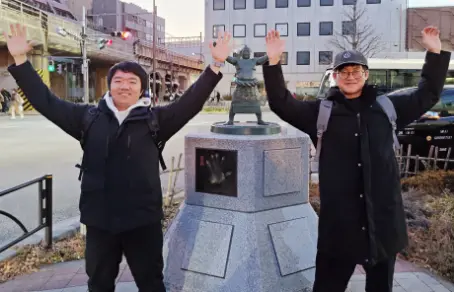
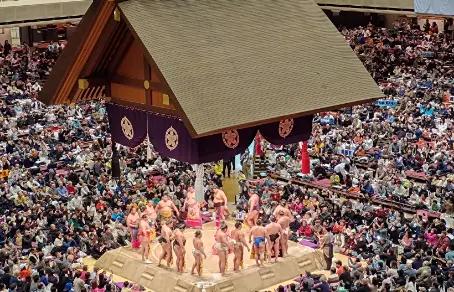
- Attending Grand Sumo Tournament
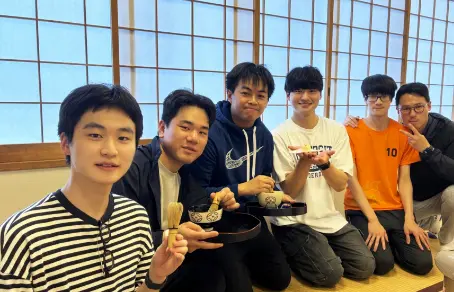
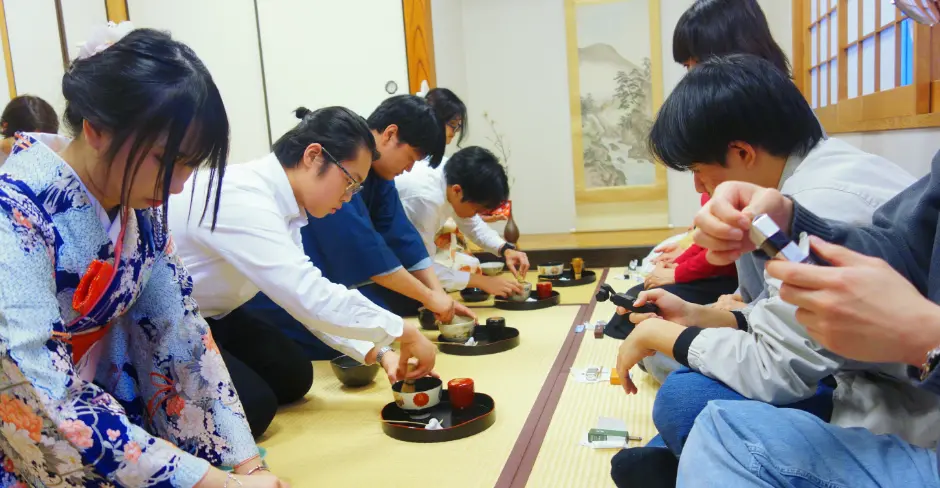
- Graduation Tea Ceremony
Club Activities
Experience Japanese culture
In addition to regular classes, extracurricular activities (clubs) are offered to provide students with opportunities to explore Japanese traditional culture and customs from a variety of perspectives. Japan may inspire many different impressions and expectations — through hands-on experiences, students are encouraged to discover new aspects of the country for themselves.
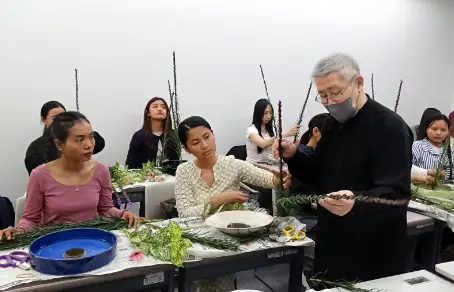
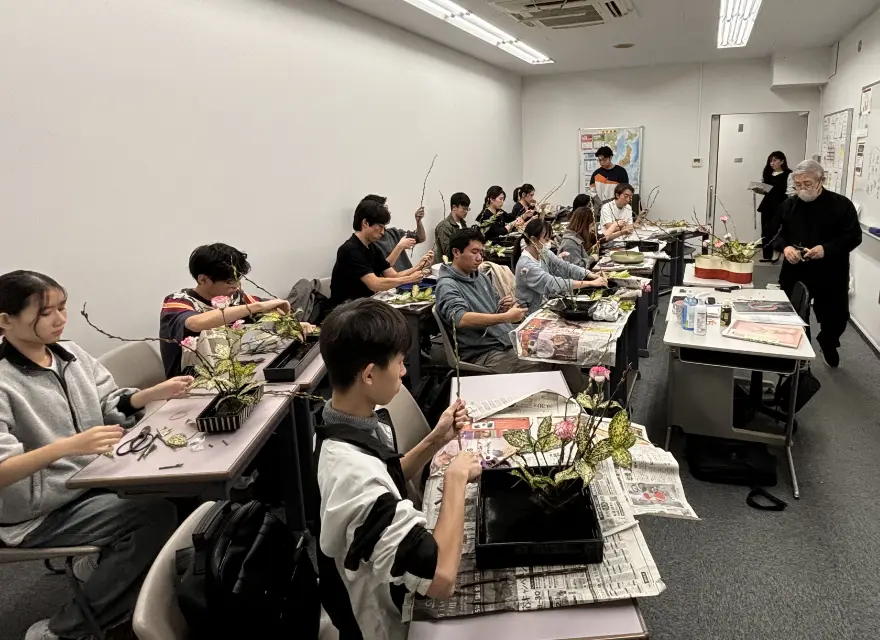
Kado (Japanese flower arrangement / Ikebana)
Ikebana is a traditional Japanese art with a long history. Through the beauty of flowers, express your delicate sense of creativity and discover the spirit of harmony found in Japanese culture. Learn not only the techniques and etiquette of flower arrangement, but also the Japanese aesthetic and values behind them.

Since beginning the study of Sogetsu-style Kado in 1975, plant materials have been used to their fullest potential across diverse contemporary spaces, with new works continuously created through a modern sensibility. Driven by the joy of creation, the emotion of the viewer, and the pleasure of teaching, active as a Kado artist and spatial producer.
Kado Club Instructor
Mr. Hiroshi Iwata
Sogetsu-ryu Sculptural Artist / First-class Master Instructor and Board Member, Sogetsu Instructors Federation
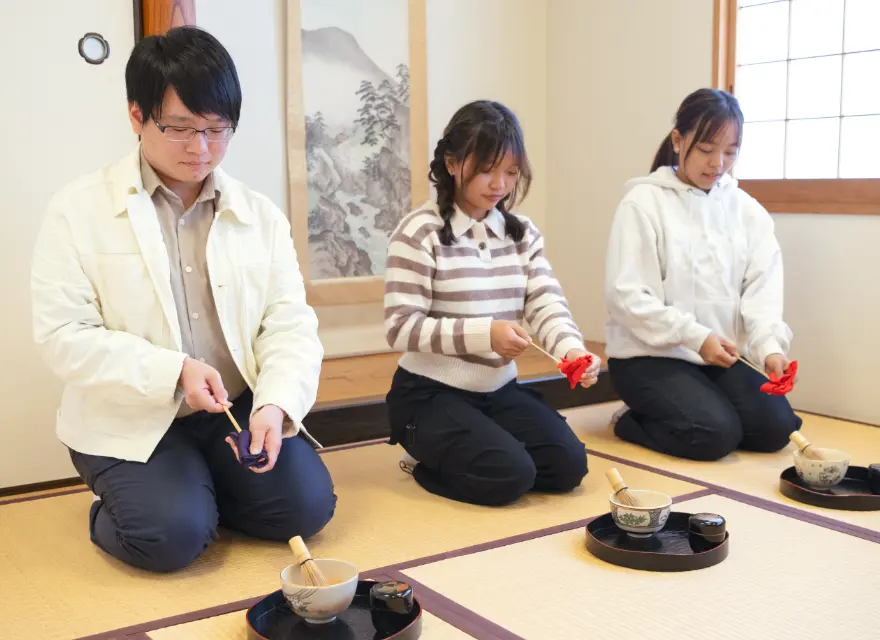
Sado(Japanese tea ceremony)
Treasure every encounter and give the best to each person. Why not try brewing tea with that same spirit?

With an unwavering belief in the art of preparing a perfect bowl of tea, a lifelong dedication to the way of tea has been maintained. Sit in seiza on the tatami, savor matcha and Japanese sweets — why not experience this truly special moment for yourself?
Sado Club Instructor
Ms. Yoko Ikezoe
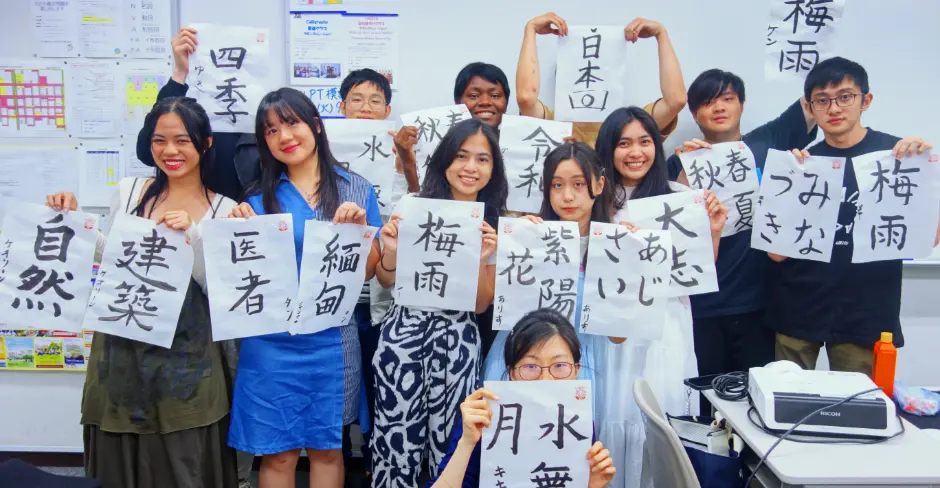
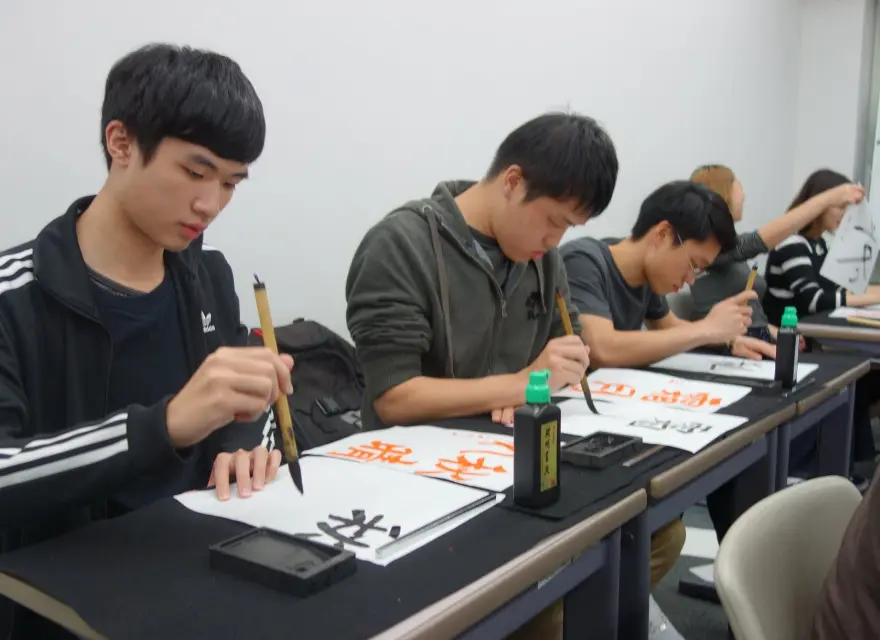
Shodo(Calligraphy)
The appeal of calligraphy lies not only in writing beautiful characters, but also in offering a quiet moment to sit at a desk and find focus amidst the busyness of daily life.

Expressing words that evoke the seasons of Japan with a brush, creating works in kanji and kana.
Shodo Club Instructor
Ms. Keiko Miyaji
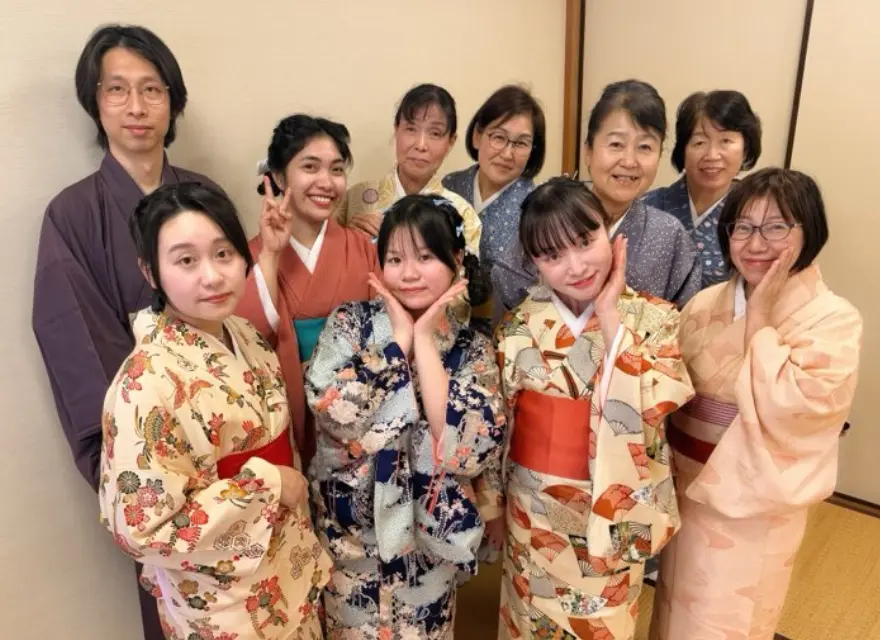
Kitsuke(Kimono dressing)
Japanese kimonos are distinguished by the beauty of their patterns. Through the art of kimono dressing, one can discover the elegance and refinement of a truly graceful spirit.

A qualified kimono dressing instructor with 23 years of experience at a kimono dressing academy. Alongside teaching kimono dressing at various schools as part of efforts to promote Japanese culture, volunteer work has been carried out including yukata dressing experiences at welfare facilities and furisode dressing for coming-of-age ceremonies.
Kitsuke Club Instructor
Ms. Keiko Nozawa
Director of the General Incorporated Foundation for the Preservation of Traditional Culture and the NPO Japan Cultural Support and Promotion Association
Interaction with Japanese Students
At our school, we regularly organize exchange events with Japanese students as valuable opportunities to promote cultural understanding and personal growth. These exchanges provide international students with meaningful opportunities to improve their Japanese language skills through real-life communication and deepen their understanding of Japanese society.
Benefits of Cultural Exchange
-
Improvement of Japanese Language Proficiency
You can learn practical Japanese through daily life and cultural activities.
-
Deepening Cross-Cultural Understanding
Students can encounter new perspectives and deepen their understanding of Japanese culture and customs.
-
Personal growth
Cross-cultural exchange provides a valuable opportunity to deepen self-understanding and develop the ability to live and work harmoniously with people from diverse backgrounds.
-
Connections to the Future
You can build relationships that will help you in your future career development, including life in Japan, finding employment, and pursuing further education.
Exchange with Japanese students from Tokyo International University, our partner institution
- Regularly held free-talk sessions based on various themes at our main campus or TIU Ikebukuro Campus
- Exchange through Participation in Tokyo International University's International Festival
- Exchange during the visit to Tokyo International University's Kawagoe Campus as part of the new students' off-campus learning program
Exchanges with Waseda University students from nearby campuses
- Participated in a Japanese language class hosted by Waseda University
Exchanges with nearby elementary schools
- Cross-cultural experiences through traditional Japanese games played with local elementary school students