
About accommodation
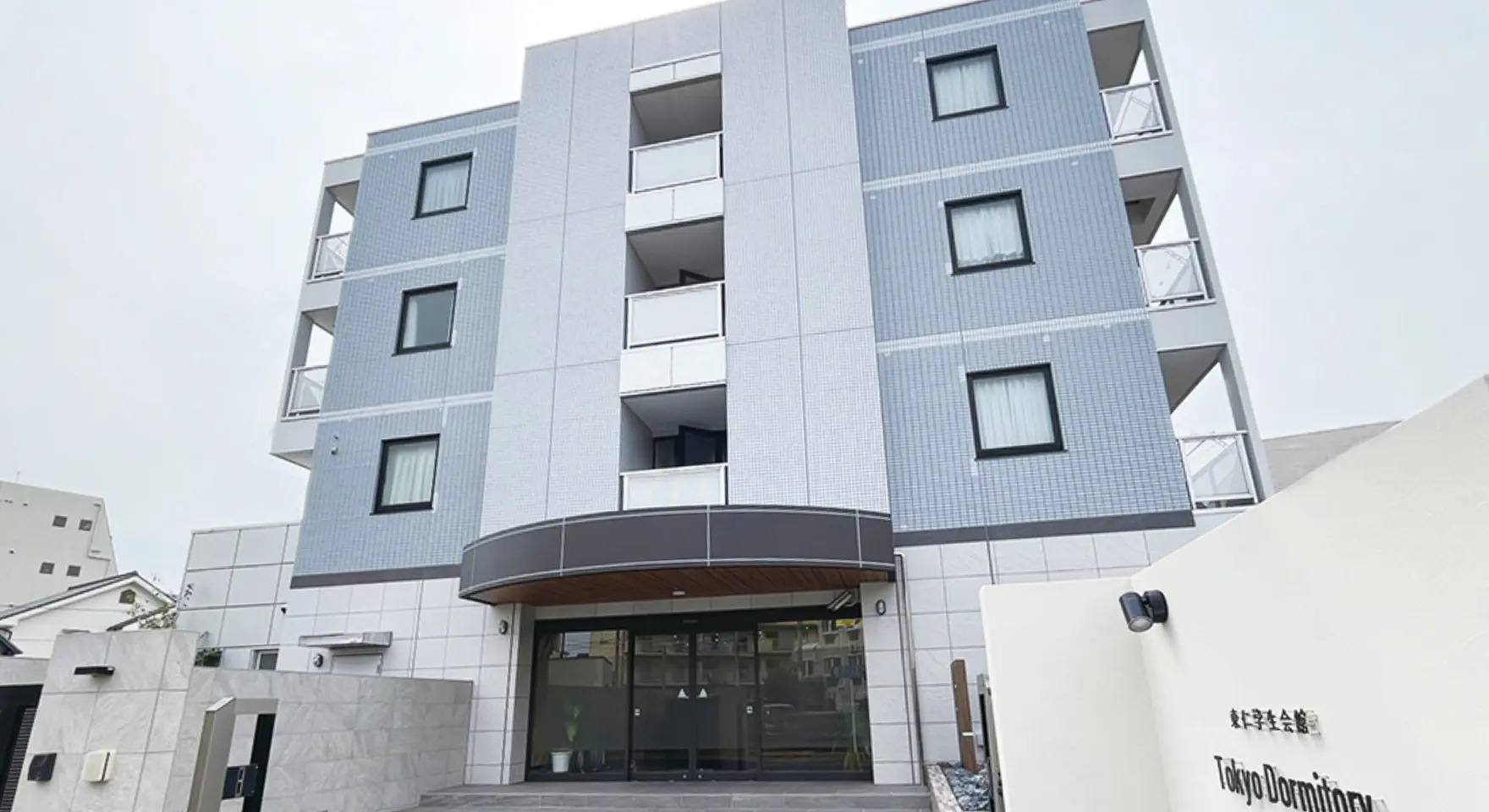
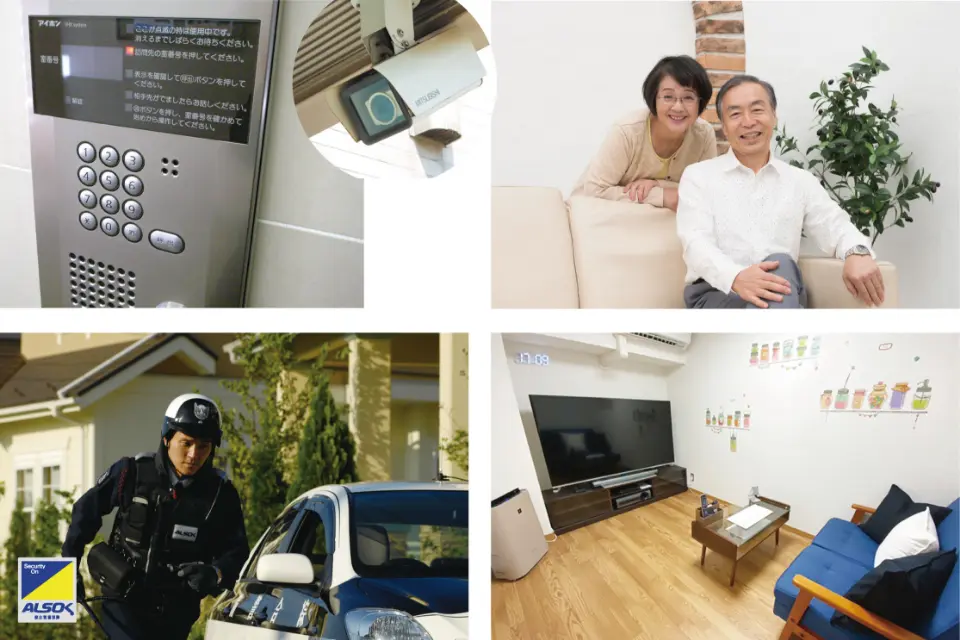
Dormitory environment
The school offers multiple partner dormitories available for students. As these dormitories are operated by leading Japanese companies, maintenance and management are thoroughly handled, allowing students to live with peace of mind.
All dormitories are located in areas near Tokyo, in pleasant residential neighborhoods. In most student dormitories, dedicated staff are on-site, and careful attention is given to security, hygiene management, and well-balanced meals. For those who feel uncertain about living in Japan or prefer having meals provided, choosing to live in a dormitory is recommended.
Comfortable living
Opportunities to interact with Japanese students
The dormitory is home not only to international students from various countries but also to Japanese students, providing ample opportunities for daily conversation in Japanese and exposure to Japanese lifestyle. This allows you to interact with friends from around the world and broaden your horizons.
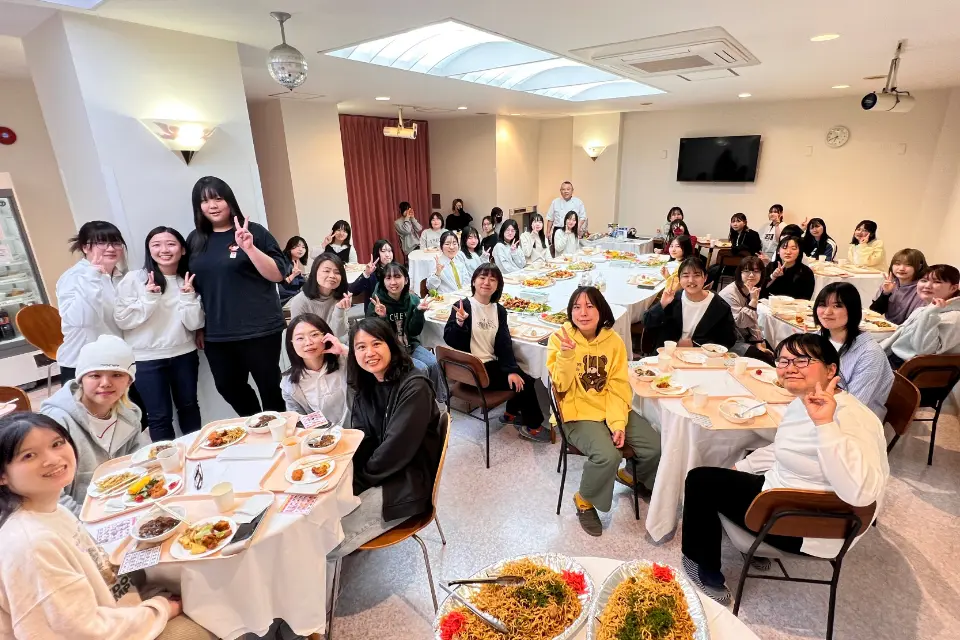
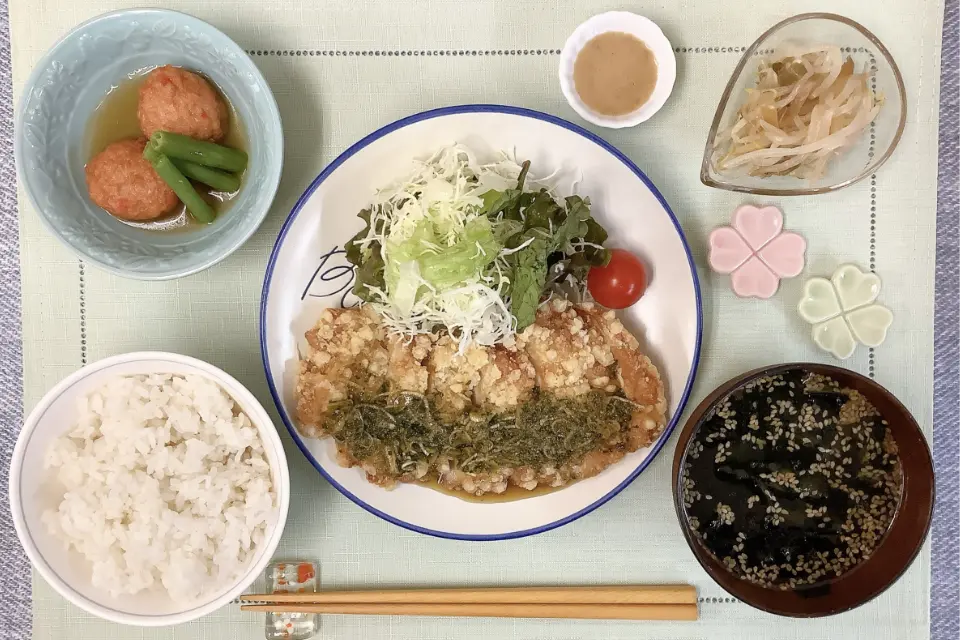
A fulfilling diet
Each student dormitory is equipped with kitchen facilities such as refrigerators and stoves, which students may use freely. Several dormitories feature dedicated chefs who provide nutritious, balanced meals. Their elaborate menus, prepared with fresh ingredients, have earned high praise.
Well-equipped facilities
Private rooms with privacy ensured
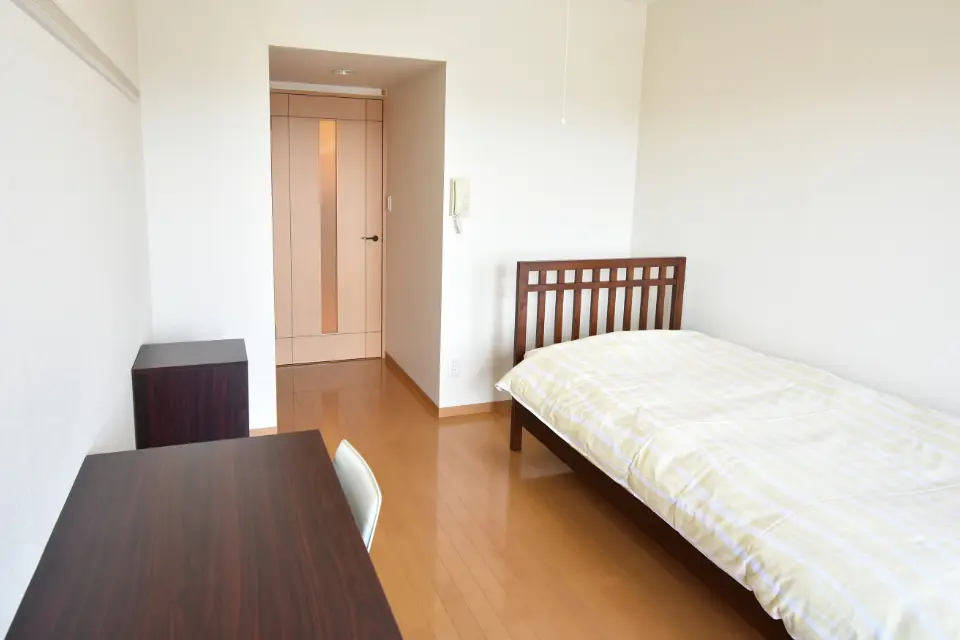
All rooms are private, ensuring privacy, and come equipped with basic amenities including a bed, desk, electricity, and storage. Most dormitories provide internet access, helping you save on communication costs back home.
Access to the Dormitories
Students at our school can purchase student commuter passes, allowing them to significantly reduce transportation costs between the dormitory and campus.
The locations of the main student dormitories and commuting times to campus are as follows (train times are approximate and may vary depending on the train, route, and time of day).
|
Name |
Location |
Nearest station |
Ride time |
Station -minute walk |
|---|---|---|---|---|
|
Tokyo Female Students Dormitory |
Wada, Suginami Ward, Tokyo |
Metro Marunouchi Line "Nakano-Fujimicho" Station |
28minutes |
約6minutes |
|
Tokyo Female Students Dormitory Nakano Annex |
Nakano, Nakano Ward, Tokyo |
JR and Tokyo Metro Tozai Line "Nakano" Station |
6minutes |
約10minutes |
|
Kitazono Women's Student Dormitory |
Kaga, Itabashi Ward, Tokyo |
Jūjō Station |
15minutes |
約12minutes |
|
Residence Higashifushimi (Male) |
Tokyo Metropolis Nishitokyo City Fuji Town |
Higashifushimi Station |
26minutes |
約1minutes |
|
Residence Sakura (Female) |
Minamichō, Hanakoganei, Kodaira City, Tokyo |
Hanakoganei Station |
19minutes |
約1minutes |
|
Tokyo Dormitory Hanakoganei (Coed) |
Tokyo Metropolis Nishitokyo City Shibakubo-cho |
Hanakoganei Station |
19minutes |
約8minutes |
|
Square Seibu Yanagisawa (Male) |
Tokyo Metropolis Nishi-Tokyo City Yanagisawa |
Seibu Yanagisawa Station |
27minutes |
約8minutes |
|
Square Higashifushimi (Male) |
Tokyo Metropolis Nishitokyo City Fuji Town |
Higashifushimi Station |
26minutes |
約4minutes |
Room charge
Room fees vary by student dormitory. The approximate room fees are as follows:
Meals (breakfast and dinner) included Room type (Single room)
No meals Type (Single room)
85,000 JPY to 155,000 JPY per month
64,000 JPY to 90,000 JPY per month
About Renting Apartments
There are many private apartments in Tokyo. When looking for a private apartment, please note that our school does not provide apartment referrals. Generally, you should consult with our overseas offices, search online, check information magazines, or contact real estate agencies in the area where you wish to live.When renting an apartment, you will sign a lease agreement. In Japan, it is customary to pay a security deposit, key money, brokerage fees, and other charges at the time of signing the contract, and to pay the rent in advance. At the time of signing, you may be required to pay several months’ worth of rent as a security deposit and key money, but recently, properties with no security deposit or key money have become more common.
In Tokyo, rent is generally high within the 23 wards, and tends to decrease the further you move away from the city center. When choosing an apartment, please consider the total cost of rent plus transportation expenses.Since our school is a Tokyo-approved vocational school, all students— Short-Term Experience Program —are eligible to purchase discounted commuter passes. As a result, compared to students at other Japanese language schools, you can significantly reduce transportation costs when commuting between your apartment and the school. Although the commute may take a bit longer, choosing a lower-rent apartment is an option that helps keep overall expenses down. Please note that meals are not included with the apartment, so you will need to cook for yourself.
Estimated Room Rent (Monthly)
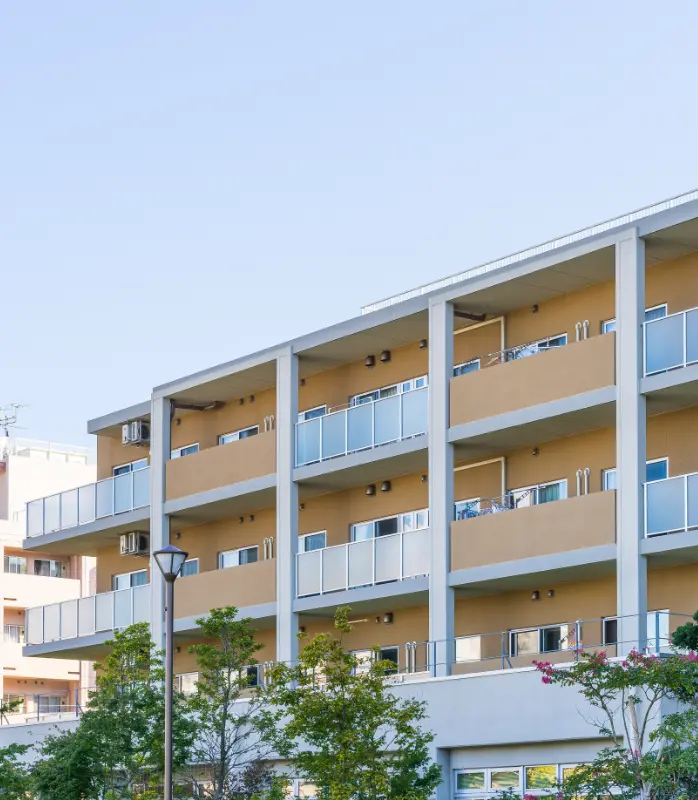
Rent prices in Tokyo's 23 wards vary significantly depending on the residential area and floor plan.
- Studio Apartment / Nerima Ward: Approx. 64,000 JPY~
- Studio Apartment / Shinjuku Ward: Approx. 96,000 JPY~
Rent for studio apartments outside the 23 wards of Tokyo (in the Tokyo suburbs) and in the greater Tokyo area is significantly lower than within the 23 wards.
Tokyo Metropolitan Area (Outside the 23 Wards) Studio Apartment Market Rates
- Tachikawa, Kokubunji, and Chofu: 60,000–80,000 JPY
- Machida City: 30,000–80,000 JPY(Prices are higher near stations)
- Hachioji, Hino, and Higashimurayama: 40,000–70,000 JPY
- Ome City and Hamura City: 40,000–60,000 JPY(Abundant nature and among the lowest prices)
Average Rent for Studio Apartments in Saitama Prefecture
- Saitama City (Omiya, Urawa): 50,000–60,000 JPY
- Kawaguchi City and Soka City: 50,000–60,000 JPY